
Garage Floor Coating Options and Preparation: What to Know Before You Coat Your Florida Garage
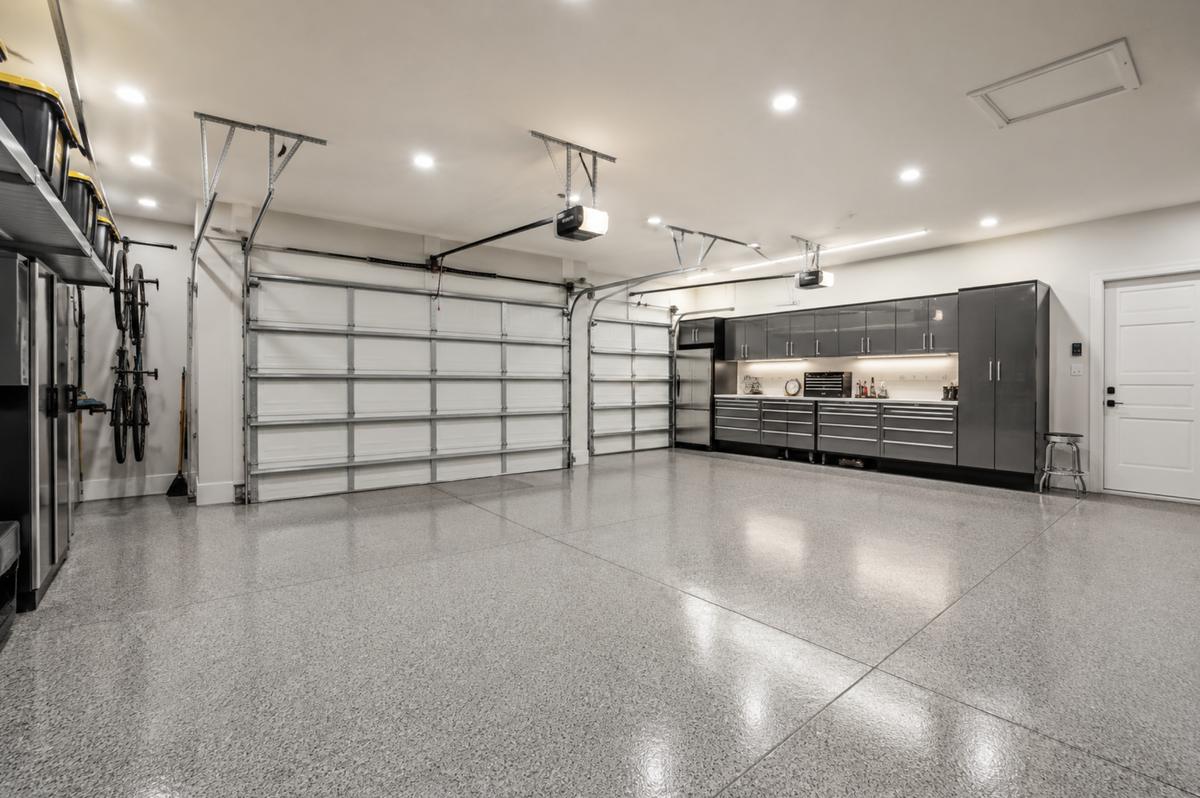
The single biggest reason epoxy garage floors fail early isn't the product, it's skipped preparation. Concrete needs to be tested for moisture and mechanically profiled before any coating goes down, and Florida's high water table makes moisture testing more important here than in drier states.
Why preparation matters more than product choice
Epoxy and polyaspartic coatings bond to concrete mechanically, not chemically. If the surface isn't properly profiled, or if moisture is migrating up through the slab, the coating will delaminate, bubble, or peel, often within the first year or two, regardless of how good the coating product itself is.
This is why a coating quote that skips moisture testing and mechanical grinding is worth being cautious about, even if the price looks attractive.
Moisture testing on Florida slabs
Florida's water table sits closer to the surface than in most states, which means moisture vapor moving up through a concrete slab is a more common issue here than in drier climates. Testing before coating identifies whether a vapor barrier or moisture-mitigating primer is needed before the topcoat goes on.
Skipping this step on a slab with elevated moisture is one of the most common reasons a coating fails within the first year.
Mechanical grinding vs. acid etching
Acid etching was the old standard for preparing concrete before coating, but it's inconsistent and doesn't remove existing sealers, oil staining, or surface contamination as reliably as mechanical diamond grinding does.
Diamond grinding creates a consistent surface profile across the entire slab, which is what gives a coating something to mechanically bond to. It's more labor upfront, and it's also the difference between a floor that lasts years and one that starts peeling at the tire tracks within months.
Coating options and cure times
Solid-color epoxy is the most straightforward option. Chip or flake systems add texture and better hide minor imperfections and future wear. Polyaspartic coatings cure faster and typically resist UV yellowing better than standard epoxy, which matters for a garage that gets direct sun through an open door.
Cure time before vehicle traffic ranges from about 24 to 72 hours depending on the specific system used, with full chemical cure taking longer.
When a coating isn't the right fix
If a slab has active moisture intrusion that testing can't resolve with a vapor-mitigating product, or significant cracking from foundation settling, that needs to be addressed structurally first. A coating applied over an unresolved moisture or structural issue will fail, and no amount of prep changes that.
Frequently Asked Questions
Most systems allow light vehicle traffic within 24 to 72 hours, though full chemical cure can take longer depending on the specific product.